
In today’s digital ecosystem, the success of a business depends heavily on its SaaS engineering capabilities. To stay ahead of the curve, an organization’s infrastructure, technology, and processes must be agile and dynamic in scale. Software-as-a-Service (SaaS) offers a reliable and affordable software infrastructure, helping businesses advance to the next level.
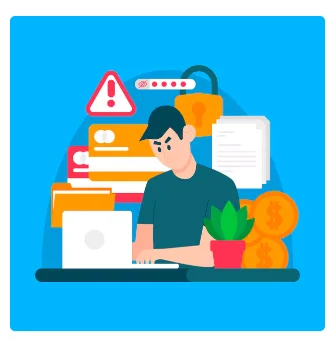
However, data protection capabilities of a SaaS platform must be a top priority. Without a well-defined and streamlined security strategy, an organization runs the risk of facing extremely damaging repercussions from security compromises. This guide explores SaaS data protection, key threats, and best practices for safeguarding your platform in 2026.
For a broader view of SaaS testing, read our guide on Business In The Cloud: How To Perform Testing For SaaS.
What Is SaaS Data Protection?
SaaS data protection refers to the practices and technologies that ensure the privacy, security, and integrity of user data gathered on a subscription basis. While SaaS empowers organizations to move smartly at a reasonable price, it has its own vulnerabilities concerning cybersecurity attacks and data leaks.
SaaS data protection assists content security in cloud computing by helping businesses become more manoeuvrable in the availability of their services and ensuring that the data security system is not breached.
For more on security testing, read Information Security Testing: A Complete 2026 Guide.
Key Threats to SaaS Data Protection
1. Data Theft
Data theft is the most direct threat, where the entire database is compromised. Data privacy issues and insufficient protections can lead to ransomware threats. Poor SaaS platform security methods when moving to the cloud can make your company a target for cybercriminals.
Mitigation:
- Gain visibility into where your data is stored in the cloud.
- Choose plans that are safer in nature, even if you need to spend extra.
- Implement authentication and access control, integrity checks, and data masking.
2. Account Take-Overs (ATOs)
ATOs are stealthy, where one account might be used to hack through an entire organization due to poor authentication processes or unmonitored accounts. Common methods include credential phishing campaigns.
Mitigation:
- Regularly review SaaS application security and account security.
- Monitor unused accounts, which can be a tract for malicious attackers.
- Implement multi-factor authentication (MFA).
3. Identity Theft
Unauthorized access to personal information can cause identity theft. Managing access to personally identifiable information (PII) is management’s concern.
Mitigation:
- Mask sensitive data.
- Encrypt passwords.
- Implement two-factor authorization.
4. Malware
Malware and zero-day threats have pressured organizations to compromise. Malware cannot be obliterated without regular security updates.
Mitigation:
- Conduct regular security updates and scans.
- Consider multi-cloud computing for better cost-cutting and security.
5. Compliance Violations
Choosing unreliable vendors with minimal compliance is a major mistake. It’s your right to question the data integrity of a service provider.
Mitigation:
- Check for GDPR compliance, HIPAA for healthcare, and PCI DSS for retail businesses.
- Integrate security into development processes (DevSecOps).
For more on compliance, read Compliance Testing: Why Your App Requires It (2026 Guide).
SaaS Security Checklist
| Checklist Item | Description |
|---|---|
| Data Encryption | Encrypt data at rest and in transit. |
| Access Control | Implement role-based access control (RBAC). |
| Multi-Factor Authentication | Require MFA for all users. |
| Regular Audits | Conduct regular security audits and vulnerability scans. |
| Compliance Validation | Ensure compliance with GDPR, HIPAA, PCI DSS, etc. |
| Incident Response Plan | Have a clear incident response plan in place. |
| Employee Training | Train employees on data security and privacy best practices. |
| Vendor Assessment | Assess the security posture of your SaaS vendors. |
| Data Backup | Regularly back up data and test recovery procedures. |
| DevSecOps Integration | Integrate security into your DevOps pipeline. |
Best Practices for SaaS Data Protection
1. Implement a Zero-Trust Security Model
Never trust, always verify. Assume that threats exist both inside and outside the network.
2. Use Encryption for Data at Rest and in Transit
Encrypt sensitive data both when stored (at rest) and when transmitted (in transit) using strong encryption protocols.
3. Regularly Assess Third-Party Vendors
Ensure your SaaS vendors have strong security practices and comply with relevant regulations.
4. Automate Security Monitoring
Use automated tools to monitor for security threats and vulnerabilities continuously.
5. Build Security into the Development Lifecycle (DevSecOps)
Integrate security into your development and deployment pipelines.
6. Conduct Regular Security Training
Train employees on security best practices, phishing awareness, and data protection.
For more on DevSecOps, read Progressive DevSecOps with Code Regulations and Automation in 2026.
How TestUnity Helps with SaaS Data Protection
At TestUnity, we specialize in helping organizations secure their SaaS platforms with the most remarkable security measures and checks. Our services include:
- SaaS Security Assessment: Identify vulnerabilities and security gaps.
- Compliance Validation: Ensure compliance with GDPR, HIPAA, PCI DSS, and other regulations.
- DevSecOps Integration: Integrate security into your DevOps pipeline.
- Security Testing: Conduct vulnerability scanning, penetration testing, and security audits.
- Cloud Privacy Risk Assessment: Perform cloud privacy risk assessments for your SaaS platform.
We help you protect your data, maintain customer trust, and ensure regulatory compliance.
Conclusion
SaaS data protection is essential for any organization using or providing SaaS solutions. With the growing threat of data breaches, identity theft, and compliance violations, a proactive approach to security is critical.
Key takeaways:
- SaaS data protection is crucial for privacy, security, and compliance.
- Key threats include data theft, account take-overs, identity theft, malware, and compliance violations.
- Best practices include zero-trust, encryption, vendor assessment, and DevSecOps.
Ready to secure your SaaS platform? Contact TestUnity today to discuss how our SaaS security experts can help you protect your data and ensure compliance.
Related Resources
- Business In The Cloud: How To Perform Testing For SaaS – Read more
- Information Security Testing: A Complete 2026 Guide – Read more
- Compliance Testing: Why Your App Requires It (2026 Guide) – Read more
- Progressive DevSecOps with Code Regulations and Automation in 2026 – Read more
- Cyber Security Testing Checklist: 9 Essential Steps for Product Security – Read more
- Cloud-Native Application Testing: Why It’s Critical in 2026 – Read more

TestUnity is a leading software testing company dedicated to delivering exceptional quality assurance services to businesses worldwide. With a focus on innovation and excellence, we specialize in functional, automation, performance, and cybersecurity testing. Our expertise spans across industries, ensuring your applications are secure, reliable, and user-friendly. At TestUnity, we leverage the latest tools and methodologies, including AI-driven testing and accessibility compliance, to help you achieve seamless software delivery. Partner with us to stay ahead in the dynamic world of technology with tailored QA solutions.



Leave a Reply